Quick answer
The things that stayed with me were small: clean public spaces, cared-for greenery, organised crowds, respect for personal space, accessible crossings, well-kept cars, and neighbourhoods that looked straight out of anime.
After travelling through very different parts of Japan, the strongest impressions weren’t the famous attractions. They were the small details.
The short version:
- Clean everywhere, not just at tourist spots.
- Greenery looked after carefully.
- Crowds that are big but organised.
- Personal space matters.
- Small things like talking crossings and spotless cars.
Clean, even where nobody’s looking
Public spaces were extremely well maintained almost everywhere we went. Not only at famous places, but in ordinary neighbourhoods too.
Greenery everywhere
Flowers, trees, gardens and small public spaces are looked after carefully. Even regular streets looked organised and pleasant.
In places like Hakone, Kanazawa, Kyoto, Shirakawa-go and Amanohashidate, buildings, gardens and nature feel deliberately connected, as if the buildings belong to the landscape.
Big crowds, no chaos
Japan gets very crowded, especially in cities and in the evening. But crowds don’t feel chaotic:
- People follow traffic signals and queues.
- Nobody pushes unnecessarily.
- There’s a sense of patience and consideration.
People: reserved, not unfriendly
People we met were helpful, polite and respectful. Compared with India, they felt more reserved and private. They don’t interfere with strangers without a reason.
They may not be as chatty as we are in India, but that doesn’t mean unfriendly. It’s more about letting everyone go about their day.
Crossings that help the visually impaired
Some pedestrian crossings have buttons and sounds to help visually impaired people. At some, a sound plays when it’s safe to cross. A small detail, but you notice it.
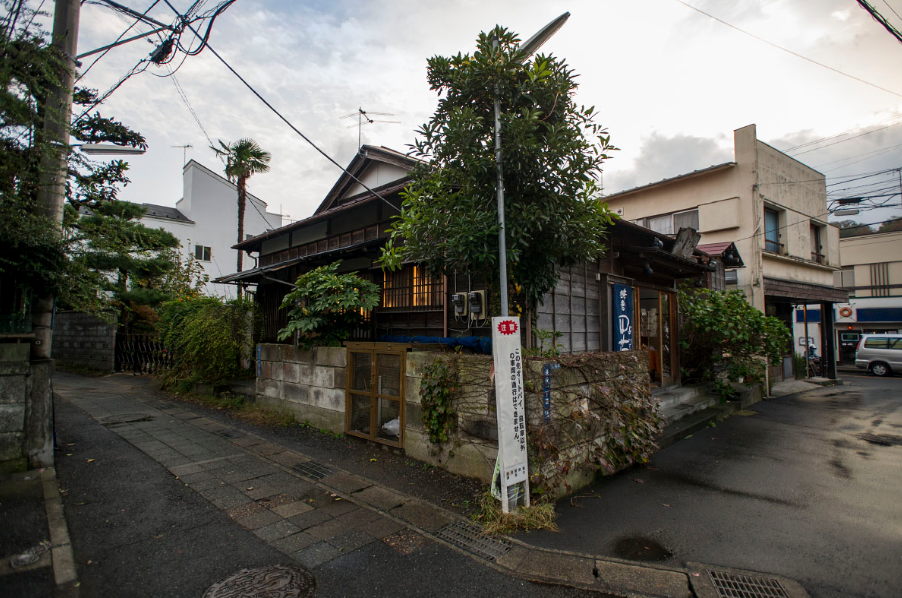
The houses from anime
If you grew up watching Doraemon or Shin-chan, you might expect every house to look like theirs. They don’t. Houses vary a lot by region, climate, age and city density.
But outside the big cities, in smaller towns, you do come across neighbourhoods that look surprisingly like the Japan from those cartoons. It’s a strange, happy feeling.
Spotless cars
Cars look extremely well maintained, even older ones. Around Tokyo, I kept noticing the Toyota Vellfire everywhere.
Homelessness exists, it’s just less visible
I personally didn’t see many people sleeping rough during our trip. But homelessness does exist in Japan. The Ministry of Health, Labour and Welfare’s 2026 nationwide survey counted 2,481 people, with 507 in Tokyo and 803 in Osaka, the highest of any prefecture.
It may be less visible to tourists, depending on where you go, but that doesn’t mean it isn’t there.
The rest of my list
- Giant railway stations → more in this guide
- How much walking everyday travel involves
- Capsule toys and vending machines everywhere, more in small joys
- Station stamps
- So many coins
- Luggage forwarding that just works
- Digital bicycle rentals
- Clean highway rest areas
- Modern infrastructure right next to traditional culture
What I took away
Don’t treat Japan only as a list of attractions. Watch how everyday life works: how people queue, use trains, cross roads, behave at temples. You don’t need to know every custom before you arrive, just observe and adapt. The details you remember afterwards are often the ones you never expected to notice.
Leave a Reply