
Quick answer
Bring some yen from home, get a Suica for trains and small buys, use a forex card for daily spending, and carry a real credit card for rentals and ChargeSPOT, which reject debit and prepaid cards.
Before the trip I assumed Japan would be tap-to-pay everywhere. It isn’t. Some of the most advanced tech in the world sits right next to places that only take cash.
The short version:
- Bring some yen from home, don’t rely on airport exchange.
- Get a Suica for trains, buses, konbini and vending machines.
- Use a forex card for daily spending.
- Carry a real credit card as backup. Some services refuse debit and prepaid cards completely.
- Coming from India? PhonePe won’t work in Japan. Keep Google Pay as the backup.
Cash: sort it before you fly
Japan still runs on cash in a lot of places:
- Small restaurants and street stalls
- Temples and shrines
- Smaller museums
- Anywhere outside the big cities
Airport counters usually give a worse rate, so convert your first few days’ worth at home. Once you’re in Japan, 7-Eleven ATMs are the most reliable for foreign cards.
You’ll collect a lot of coins. ¥1, ¥5, ¥10, ¥50, ¥100, ¥500. They add up fast from vending machines and small buys. Keep a small coin pouch, and use them up in vending machines and capsule-toy machines.
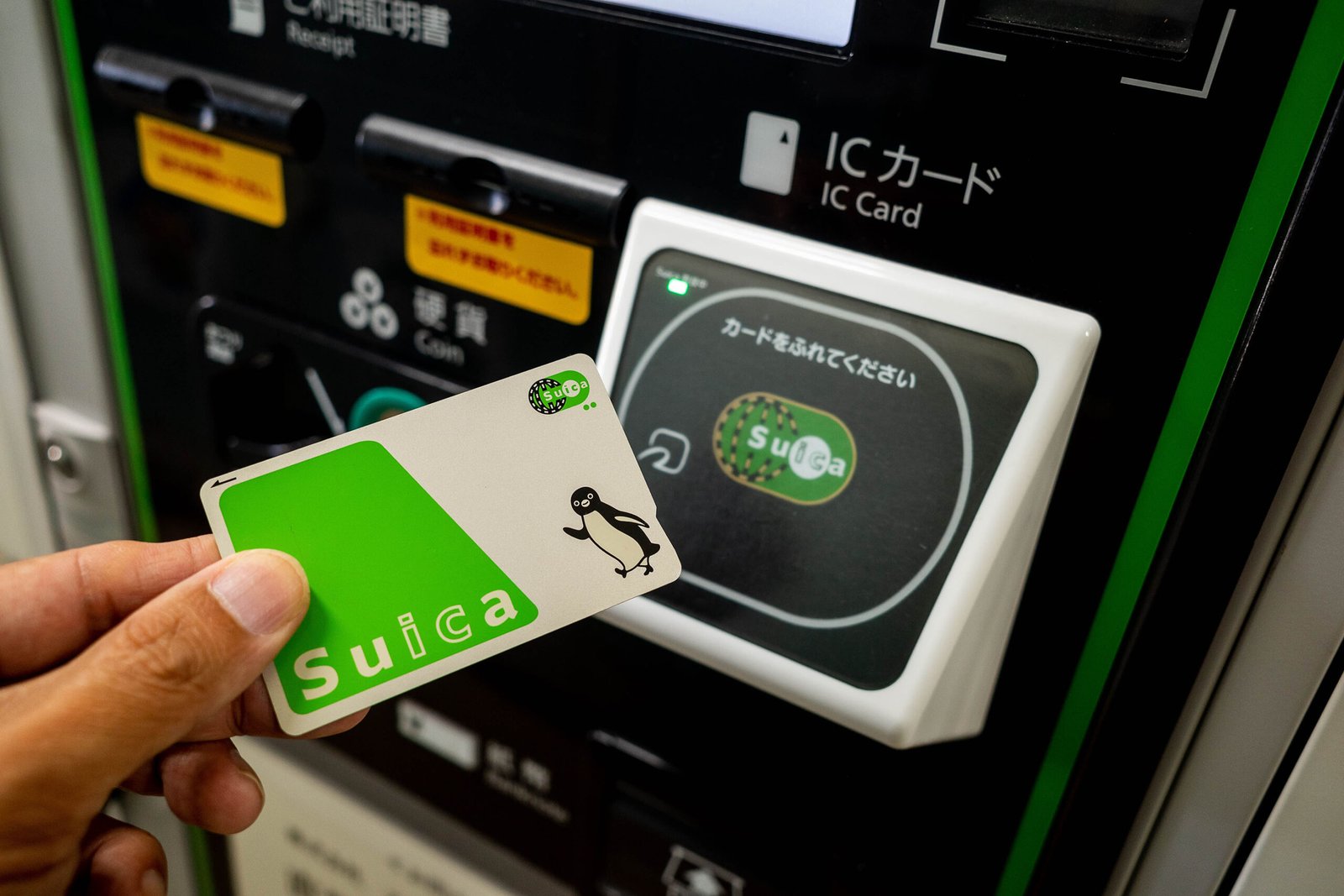
Suica: the card you’ll use every day
Tap it for trains, subways, buses, convenience stores, vending machines, lockers and a lot of shops. There are two versions:
- Green Suica (regular) → ¥500 refundable deposit. You can get the balance and deposit back at a JR East counter (minus a small fee). The catch: refunds only happen in the greater Tokyo area.
- Red Suica (Welcome Suica) → no deposit, valid for 28 days, and any balance left at the end is gone. Spend it down before you fly out.
On iPhone? Add Suica to Apple Wallet and skip the physical card. Top-ups go through your linked card. A physical Suica is topped up with cash at station machines.
Cards: forex for daily use, credit card for the rest
Switch on international transactions before you fly. A forex card keeps conversion charges low and works at hotels, chains and most tourist-facing places.
But some things only accept a genuine credit card:
- ChargeSPOT power bank rentals (I rented one this way)
- Car rentals
- Bike and phone rentals
These services often charge you after you use them, and debit or prepaid cards usually can’t handle that. So carry a credit card, ideally a forex one.
If you’re travelling from India
- PhonePe → its international UPI only works in a handful of countries, and Japan isn’t one of them.
- Google Pay → works as a backup because it just holds your Visa or Mastercard for tap payments.
Prices aren’t like India’s MRP
Japan doesn’t have an Indian-style printed MRP on everyday products. The same item can cost different amounts in different shops. It’s all regulated, it just works differently, so don’t assume the price on one shelf is the price everywhere.
My setup, in one line
Yen from home, Suica for small stuff, forex card for daily spends, a real credit card in the bag, Google Pay instead of PhonePe, and cash always in my pocket for the small local places.