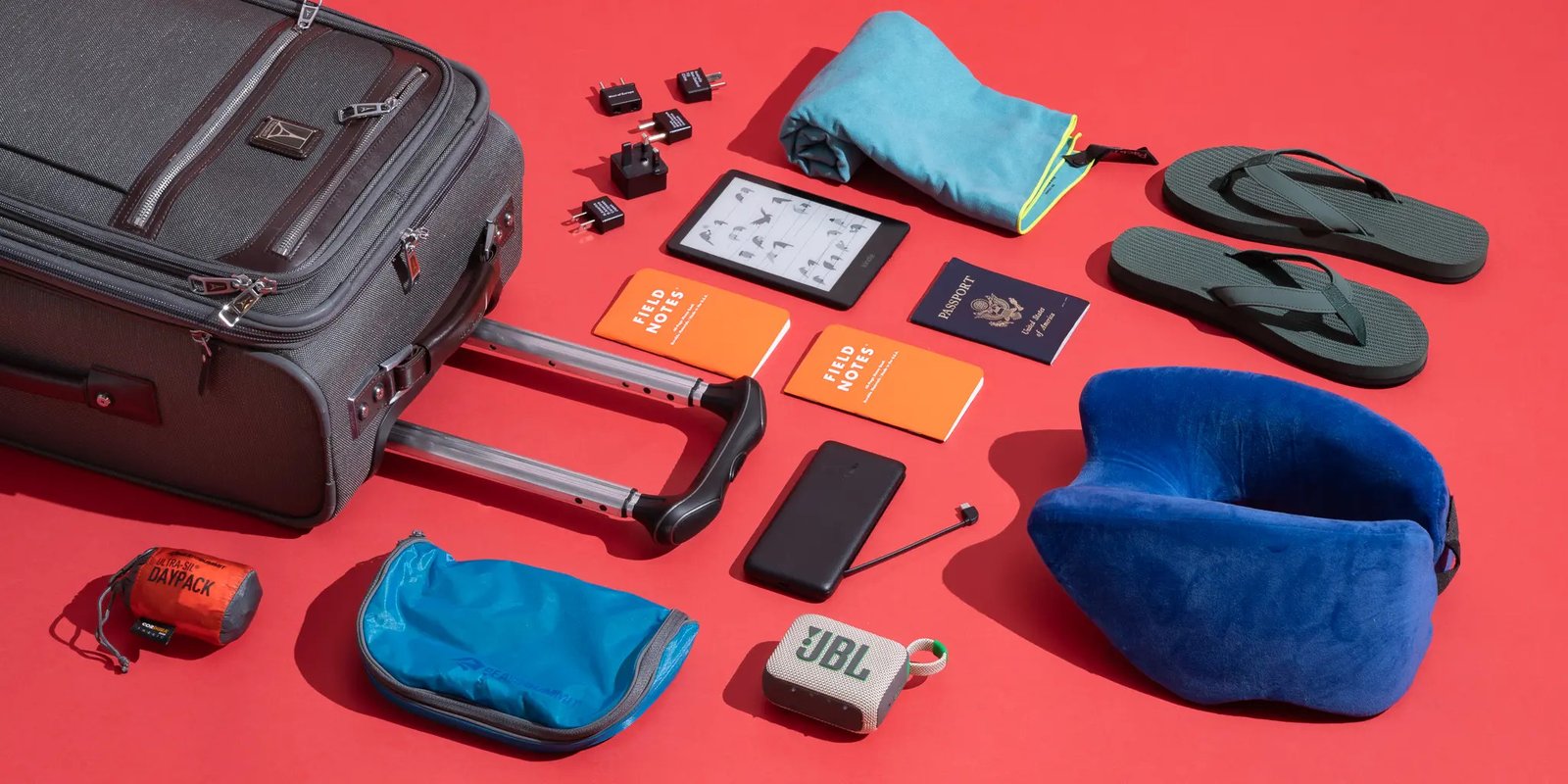
I’ve read a lot of Japan packing lists that feel like they were written for a completely different trip than the one anyone actually takes. So here’s mine: what I actually carried, why each thing earned its spot, and the one item I deliberately left at home that most lists still tell you to bring.
The quick list:
- Travel adapter
- Passport cover
- Light shoulder backpack
- Sling chest bag
- Basic Japanese flash cards
- iPhone 17 (my main camera)
- DJI Osmo Mobile 7P gimbal
- A trolley suitcase
- Noise-cancelling earbuds
What I didn’t need: a power bank. More on that below, because the reason matters.
What I packed, and why it earned its place
Travel adapter
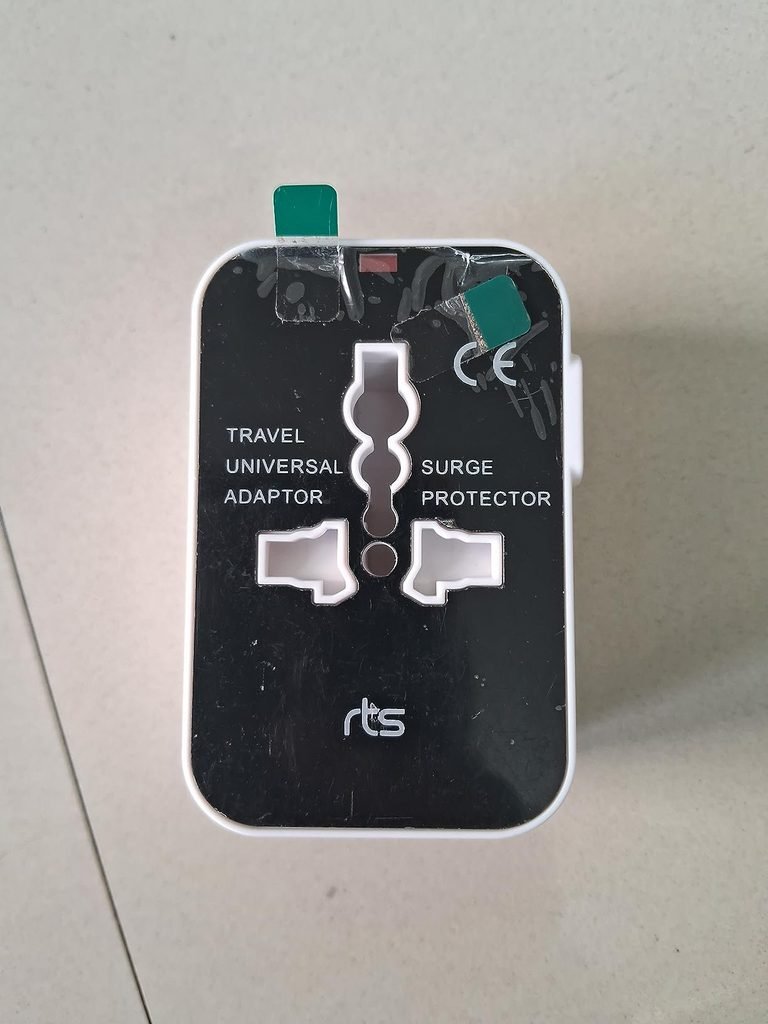
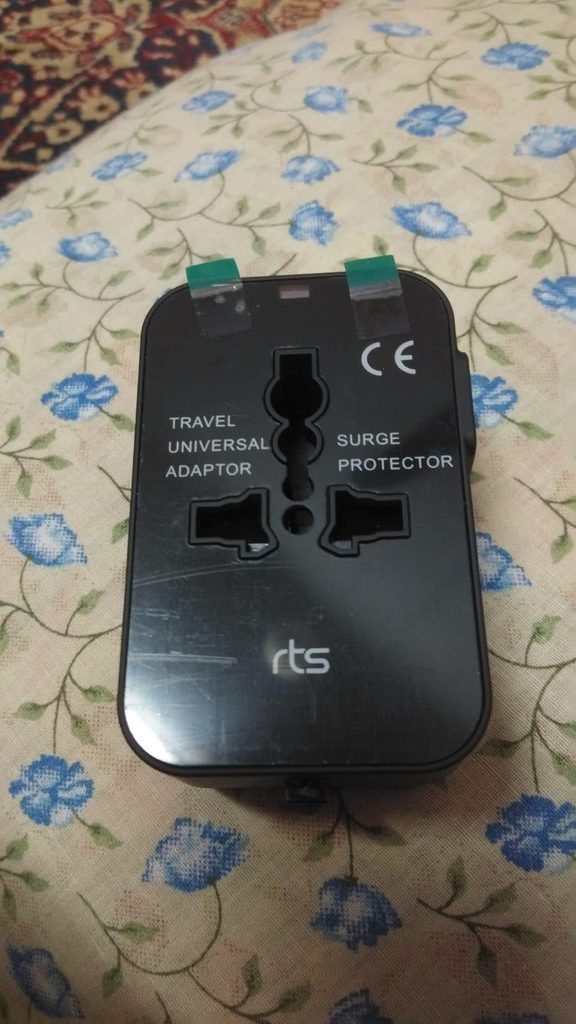
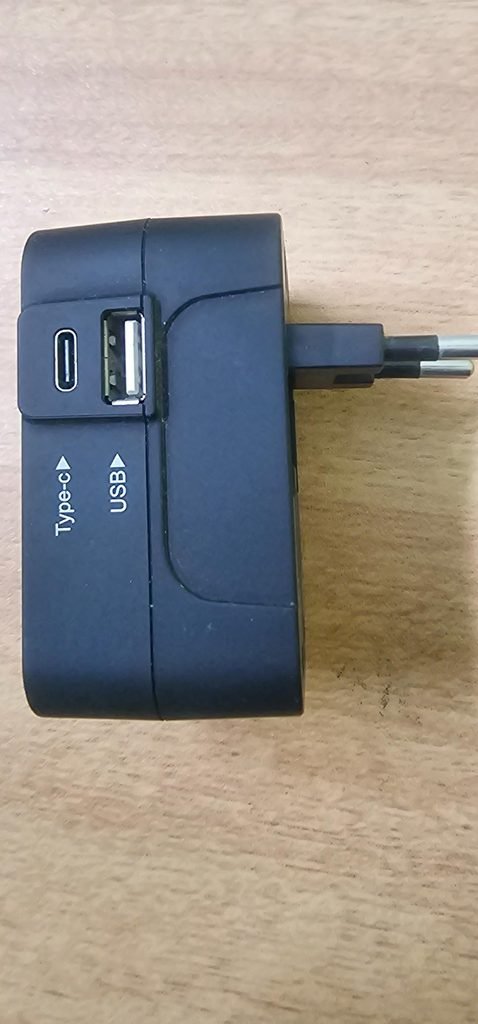
Japan runs on Type A and Type B outlets at 100V. Type A, the two flat parallel pins, is what you’ll see almost everywhere, from hotel rooms to train station walls. If you’re coming from India, the UK, Europe, or Australia, your plugs won’t fit without an adapter, so this is non-negotiable. The good news is you don’t need a bulky voltage converter for your phone, laptop, or camera chargers, since almost all modern ones handle 100 to 240V automatically. A simple, cheap plug adapter is all it takes. The one exception is single-voltage heating stuff like hair dryers or straighteners, which may run weak or not at all on 100V.
I bought this one, as it has both USB and Type-C option + its an All-in-one.
Please note that direct charging using this adapter with cable will be normal charging, if you want fast charging, you’ll have to use your phone’s adapter in this adapter.
Passport cover
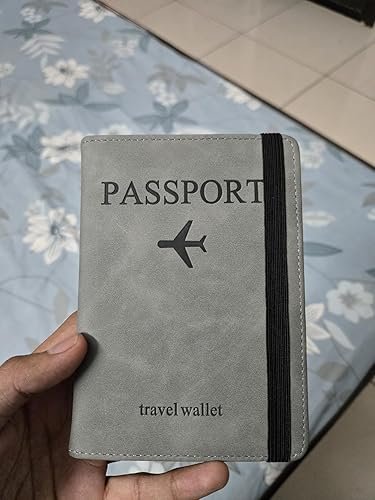
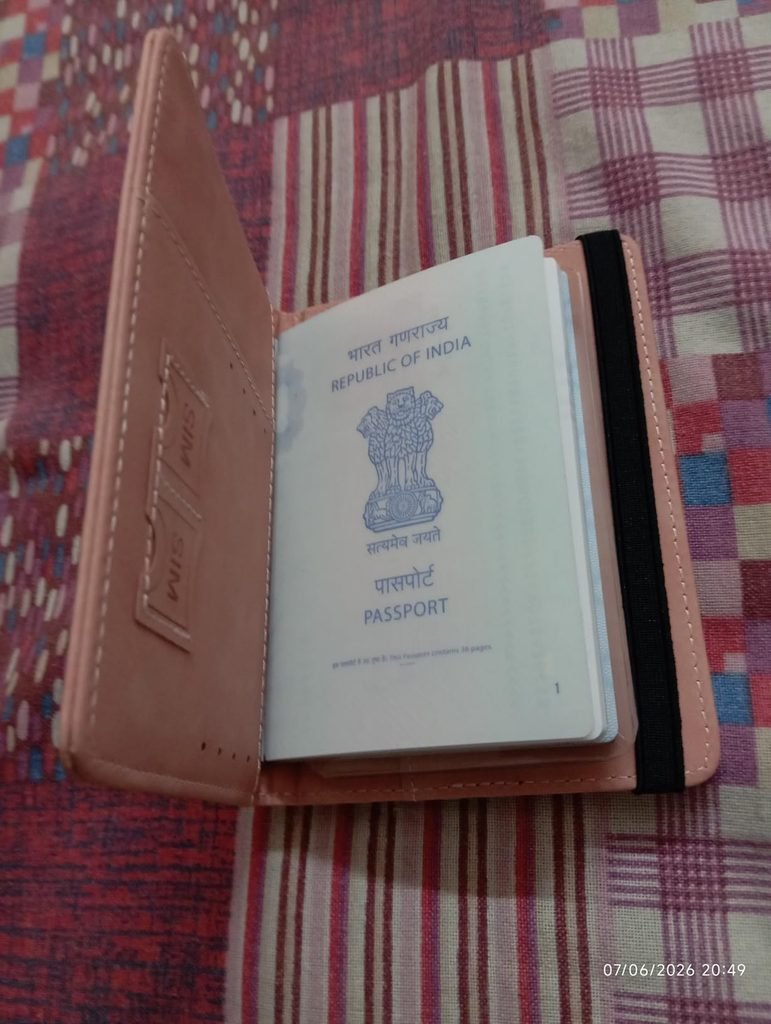
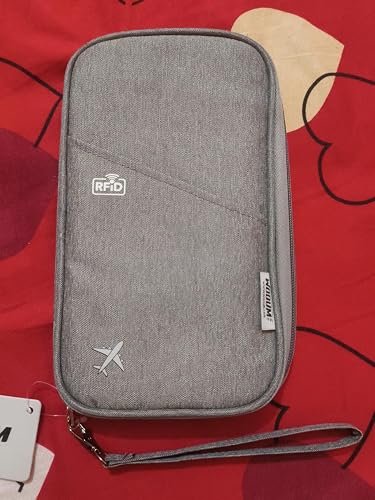
Sounds like a small thing, but in Japan your passport comes out far more often than you’d expect. Hotel check-ins, tax-free shopping, and general ID checks all ask for it. A cover keeps it from getting battered in a bag you’re opening twenty times a day, and makes it easy to find fast.
For a compact option I found this one to be simple and good.
On the other hand, if you want a more space, which is also good to carry tickets without folding. Check this one.
Light shoulder backpack
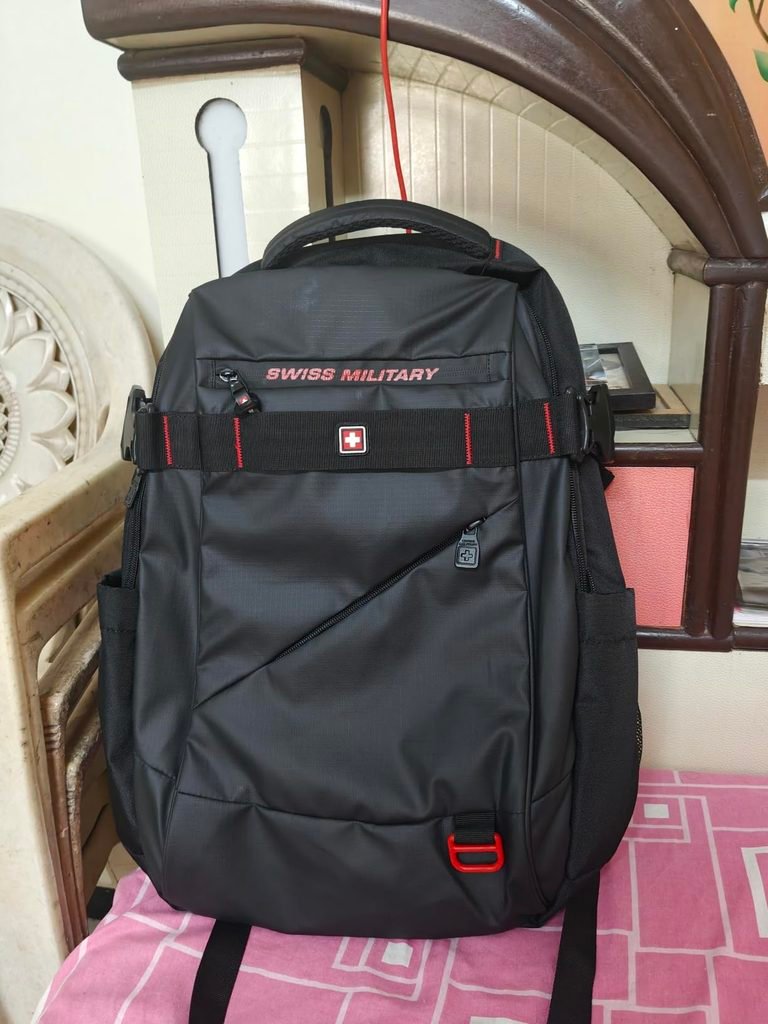
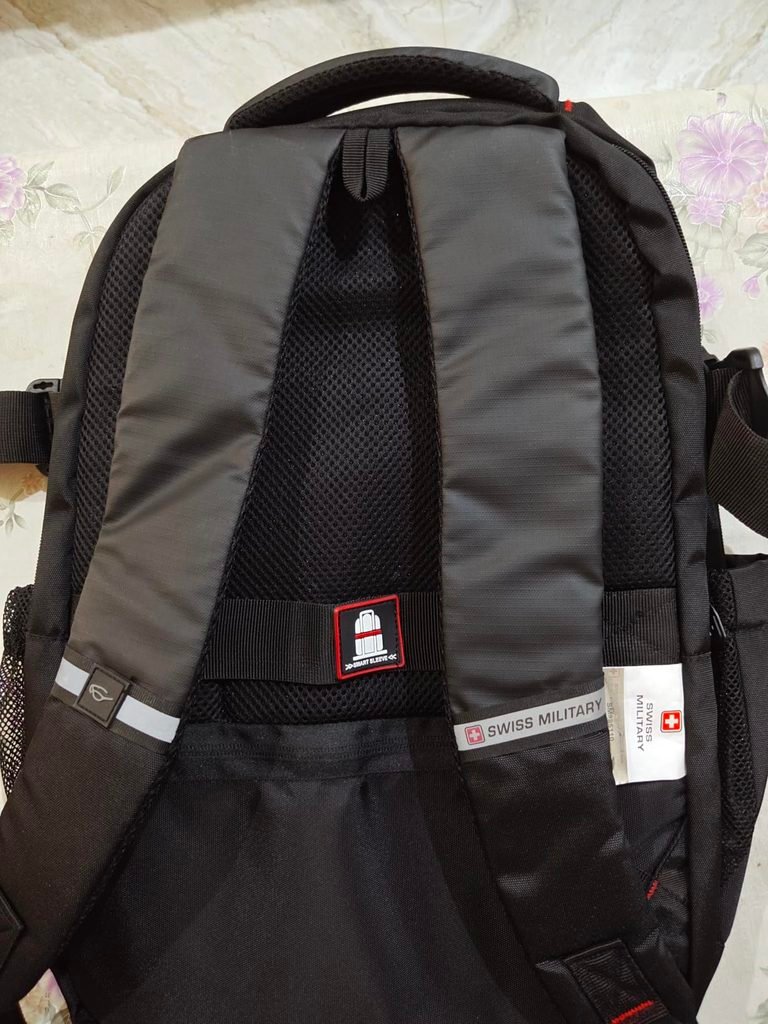
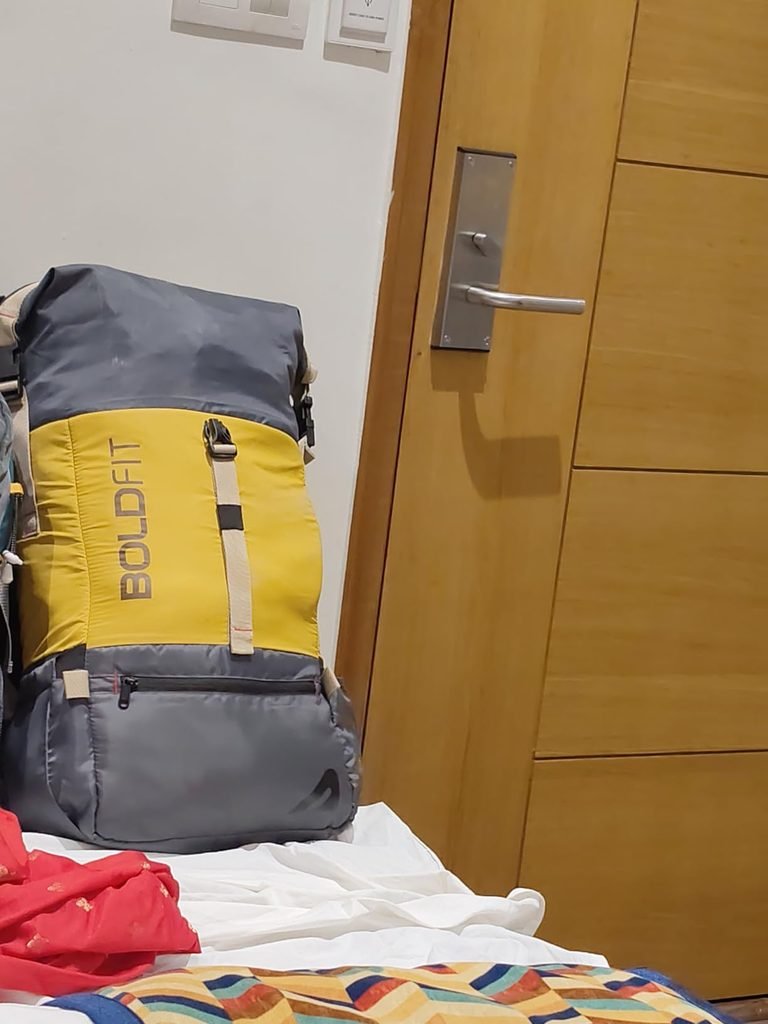
This is my daily carry for anything beyond the essentials: a layer for weather changes, water, whatever I picked up along the way. You will walk far more than you think in Japan, and a heavy pack turns a great day into a tiring one by mid-afternoon.
I personally like this one. It has enough space and is light-weight.
But this one is also an equally good option by Swiss Military. Looks very premium for the price.
Sling chest bag
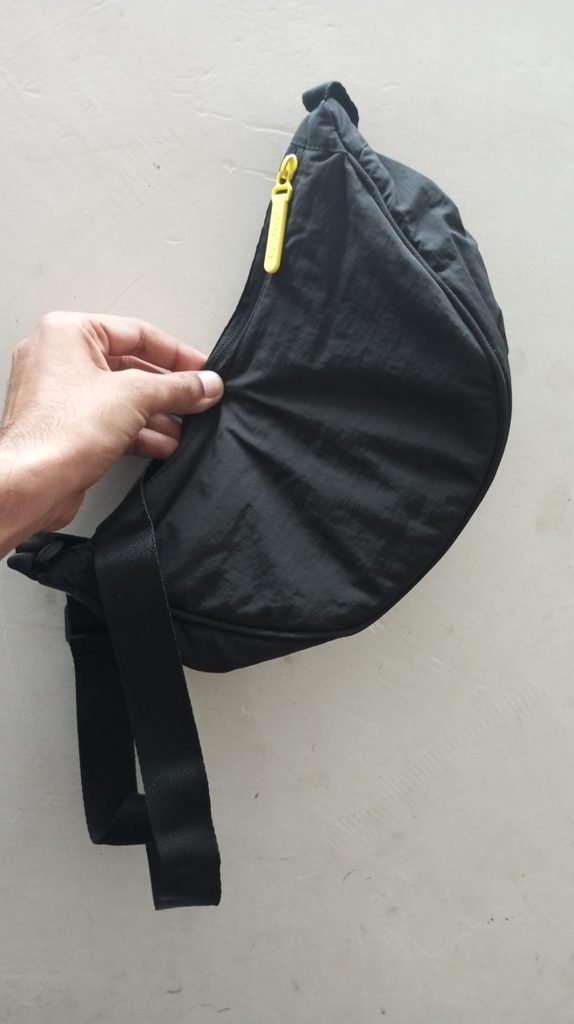
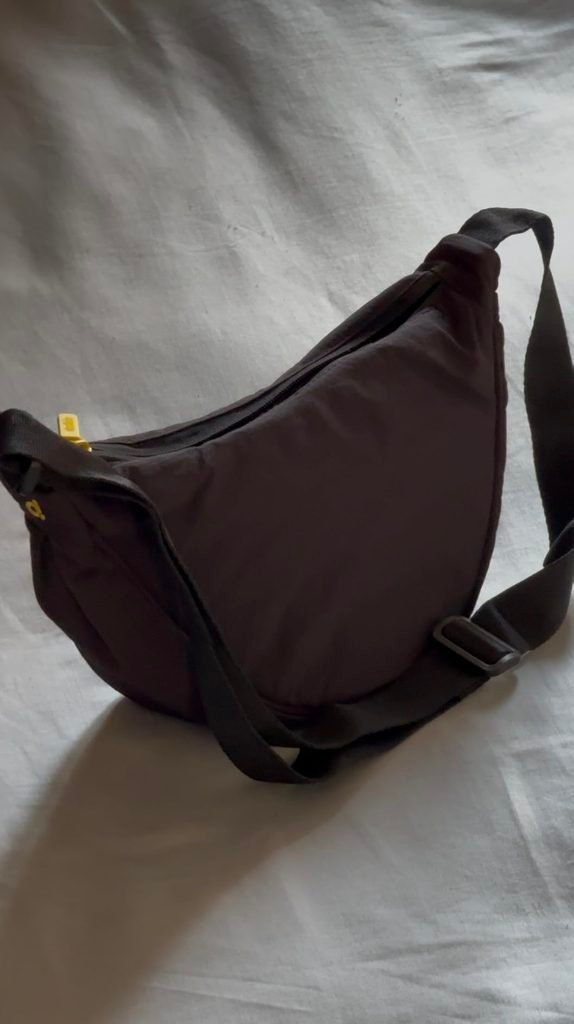
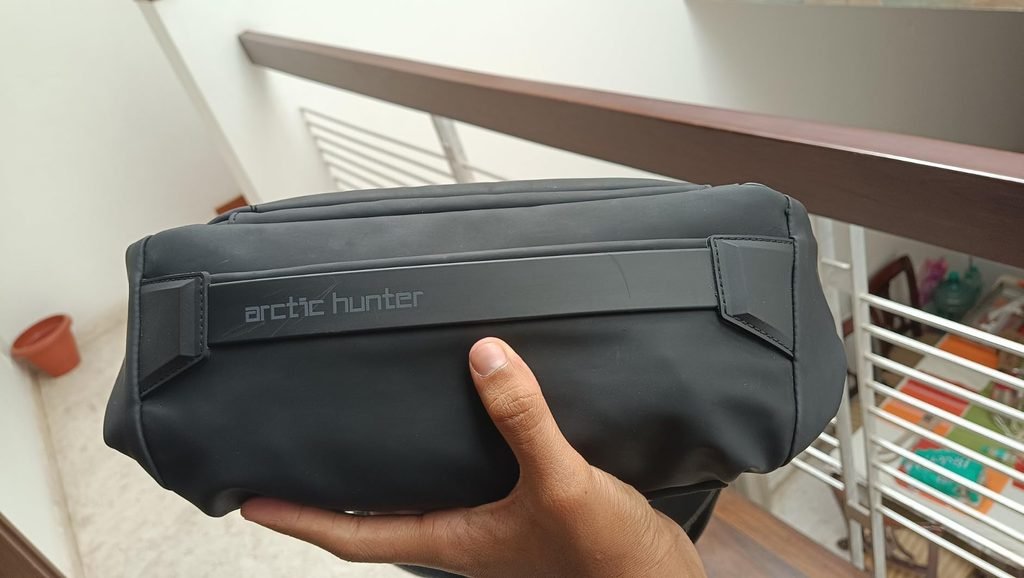
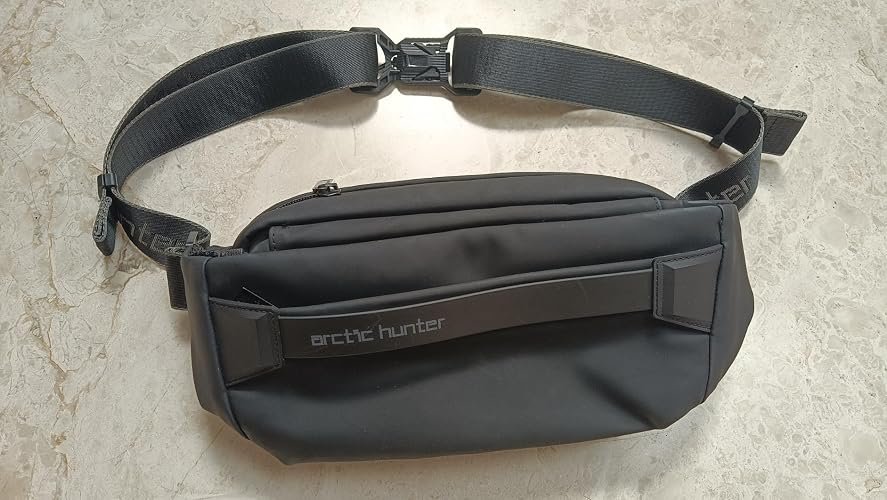
Different job from the backpack. The sling holds the things I need constant, quick access to: my Suica, cash, coins, phone, and passport. Keeping those in one small front bag means I’m never digging through a backpack at a ticket gate or a checkout while a queue forms behind me. If you take only one bag on some days, this is the one.
I found this one to be really comfortable, minimal and stylish.
If you prefer something more bold for frequent use, and you are willing to spend a bit more, check this one.
Basic Japanese flash card
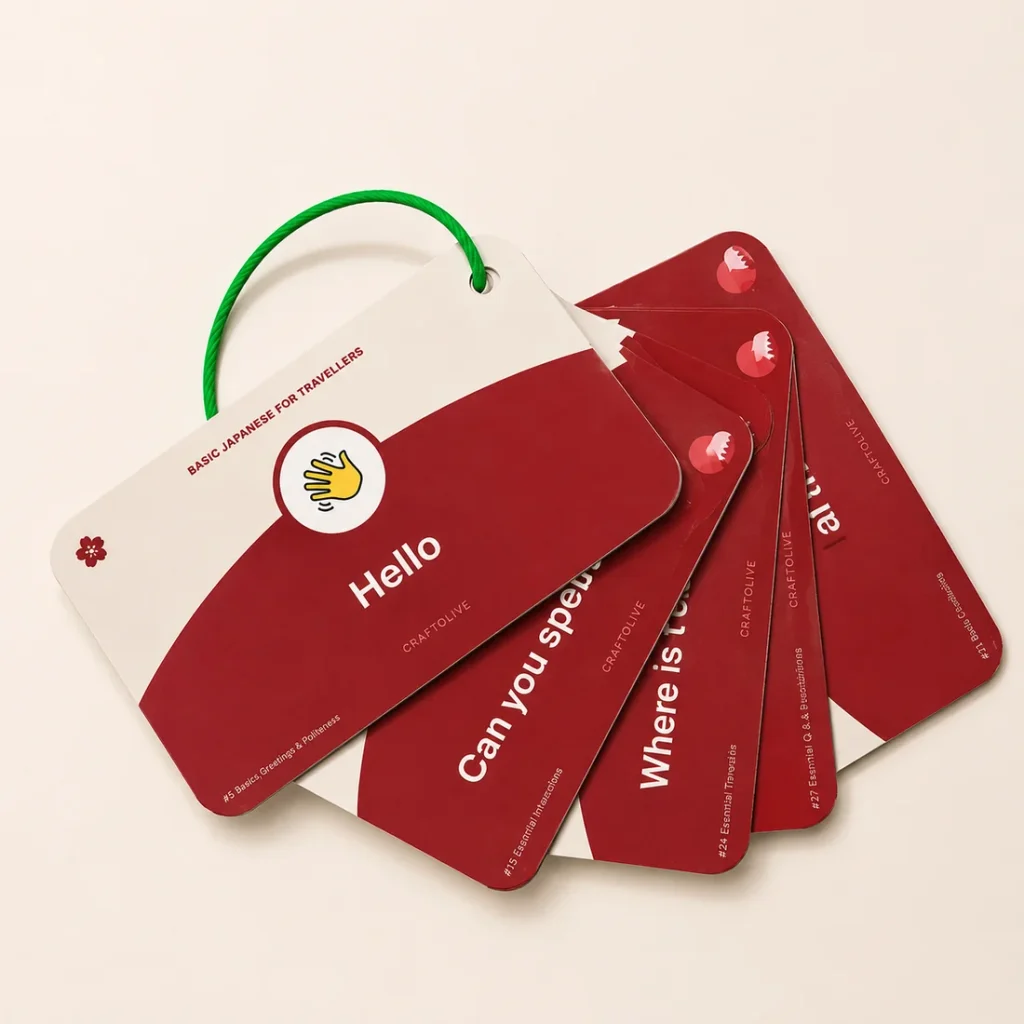
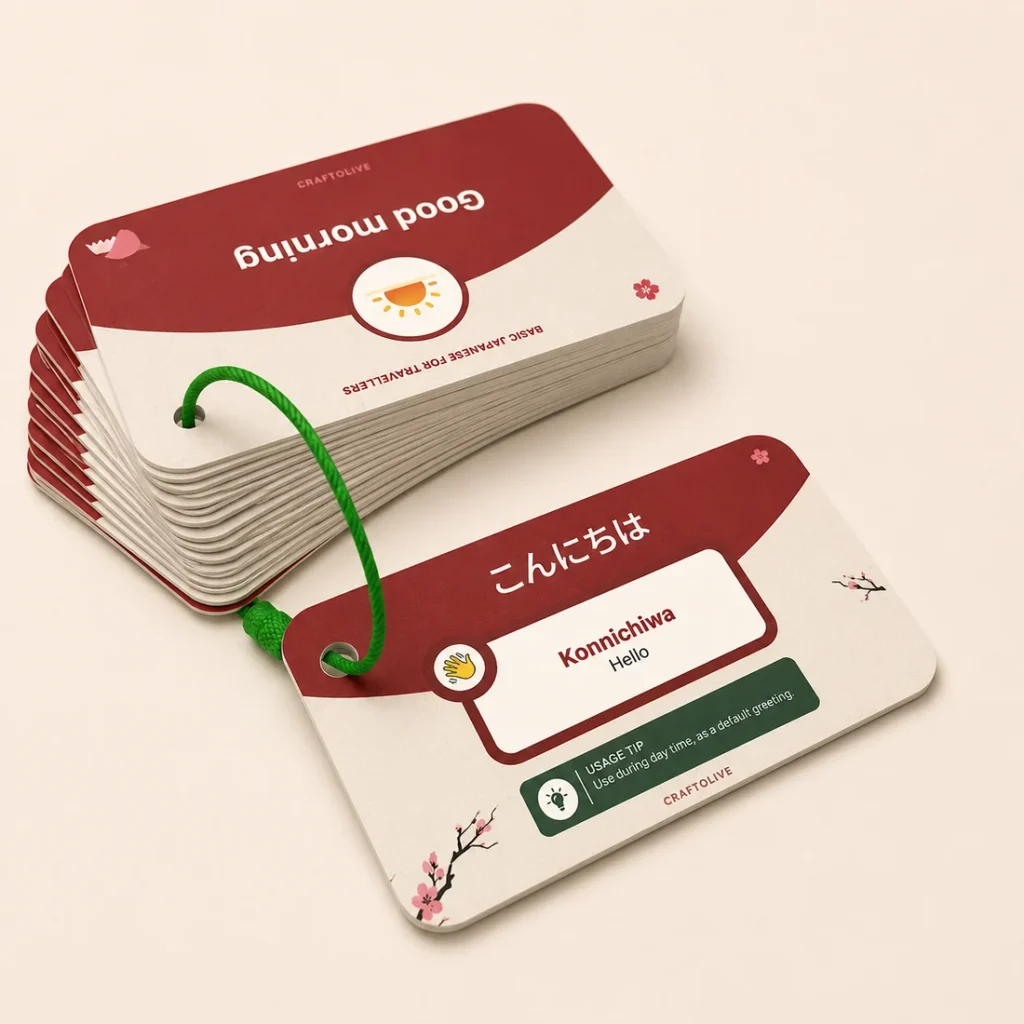
English works fine in most tourist-facing places, but the moment you step into a small local restaurant, a rural station, or a shop that’s not built for tourists, a few basic phrases go a very long way. I kept a set of simple travel flash cards and ran through them on trains. You don’t need to be fluent. Knowing how to say thank you, excuse me, how much, and where is something makes interactions noticeably warmer. Also, people love it when they see someone from another country trying to speak their language.
I first found it on Amazon but since it was out of stock, I did some research and ordered it from here. Easy to learn, easy to carry. And most importantly, actually useful, unlike random language learning apps.
iPhone 17 as my Main Camera
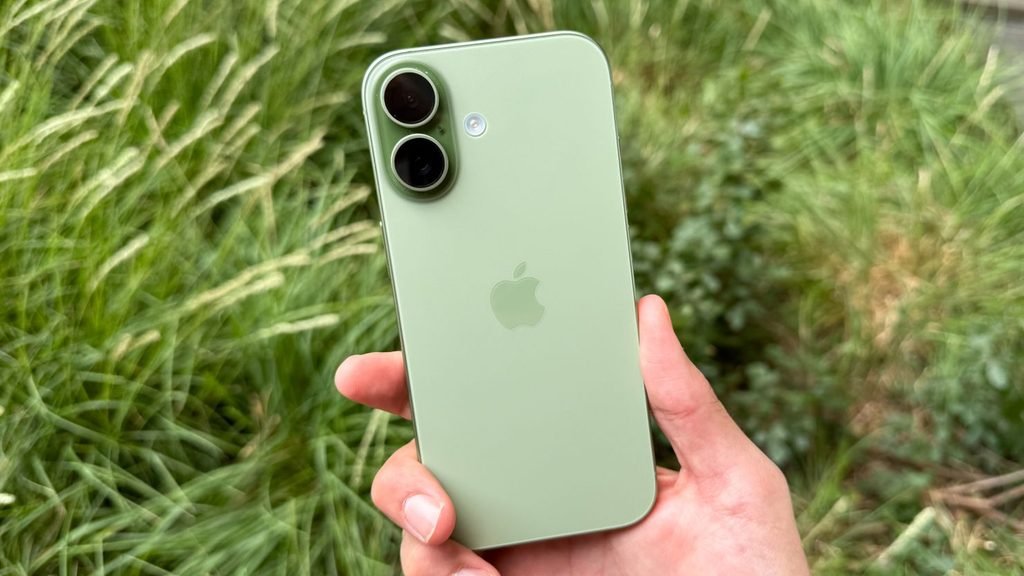
This was a deliberate choice, and I know some people will disagree. I considered carrying a dedicated vlogging camera, but the iPhone won for one simple reason: it does everything in one device. Shoot, edit, and post, all on the spot, without transferring files to a laptop or dealing with a separate workflow at the end of a long day. When you’re trying to actually enjoy the trip and still create content from it, that matters a lot.
A dedicated camera like a DJI Osmo Pocket genuinely produces great footage, but it comes with more handling and more post-production effort: managing files, editing on another device, then publishing. For a trip where I wanted to stay present and post as I went, the phone was the better tool for the job, even if it’s not the best pure camera.
Last I checked iPhone 17 is not available on Amazon, but since its easily available offline, its not a big deal to find. I think 17 is quite good but if you are willing to spend almost twice, iPhone 17 pro max will give you some extra features with a telephoto lens.
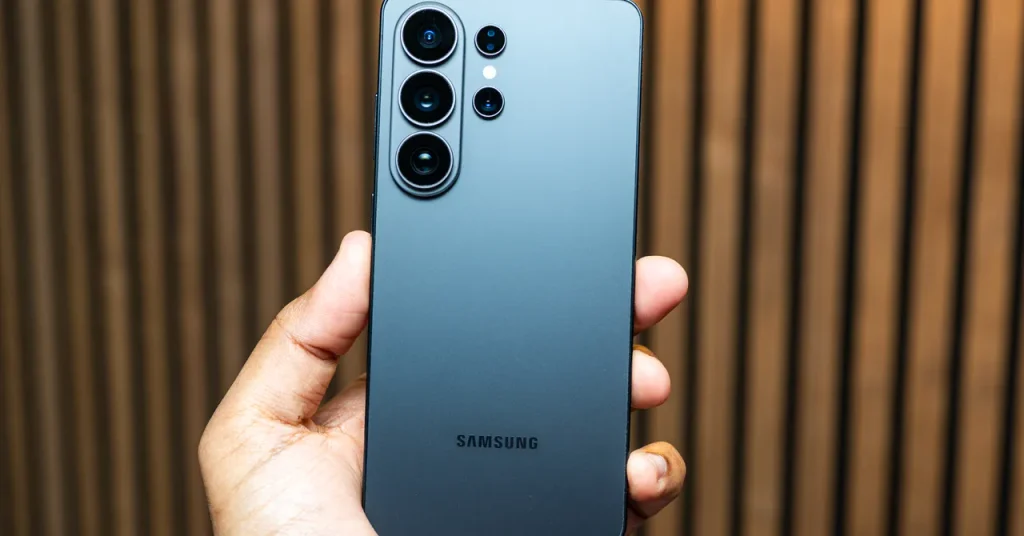
For android people, this phone of Samsung Galaxy Series is pretty good.
DJI Osmo Mobile 7P gimbal
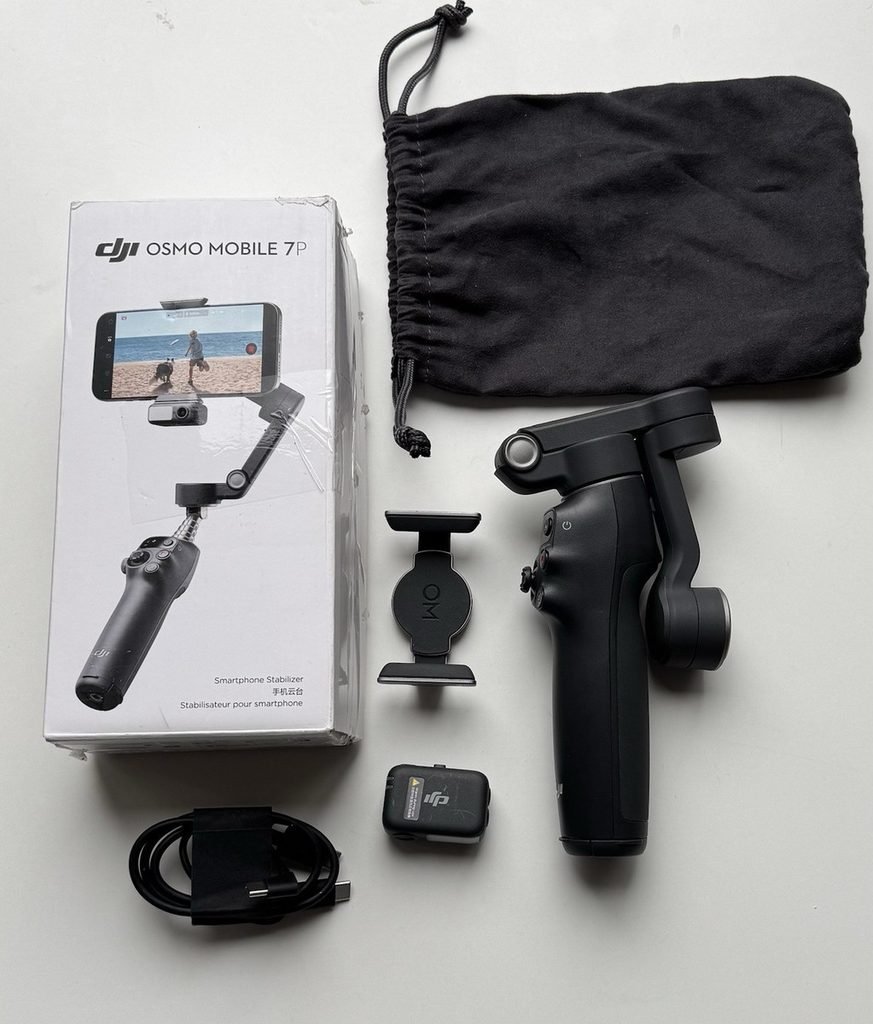
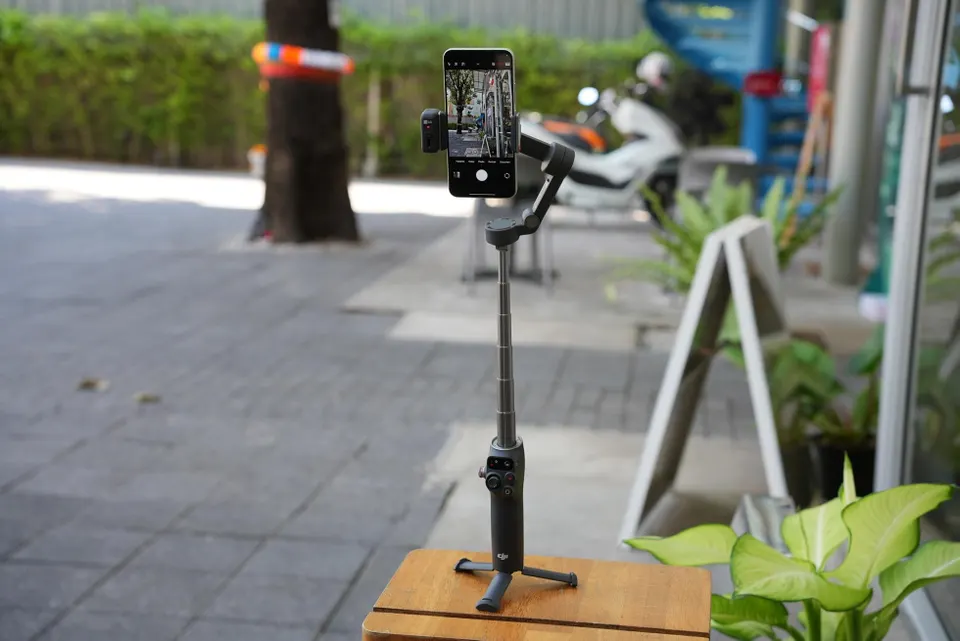
This is what makes phone footage look properly smooth. The 7P gives you three-axis stabilization, a foldable design that fits in a coat pocket, a built-in extension rod, and small built-in tripod legs so you can set it down and let it film. The standout feature is the little multifunction tracking module, which can follow a subject using any camera app, not just DJI’s own, so you can shoot with the native iPhone camera and still get tracking. It also doubles as a receiver for a DJI mic if you want better audio.
One honest trade-off: the tracking module and light eat into the gimbal’s battery noticeably, so I’d only switch them on when I actually needed them. And it’s one more thing to charge and carry. Worth it for me, but if you’re not creating content, you can skip it entirely.
The Osmo Gimbal Series has many versions but I found this one to be value for money & just enough for what I needed.
Trolley suitcase
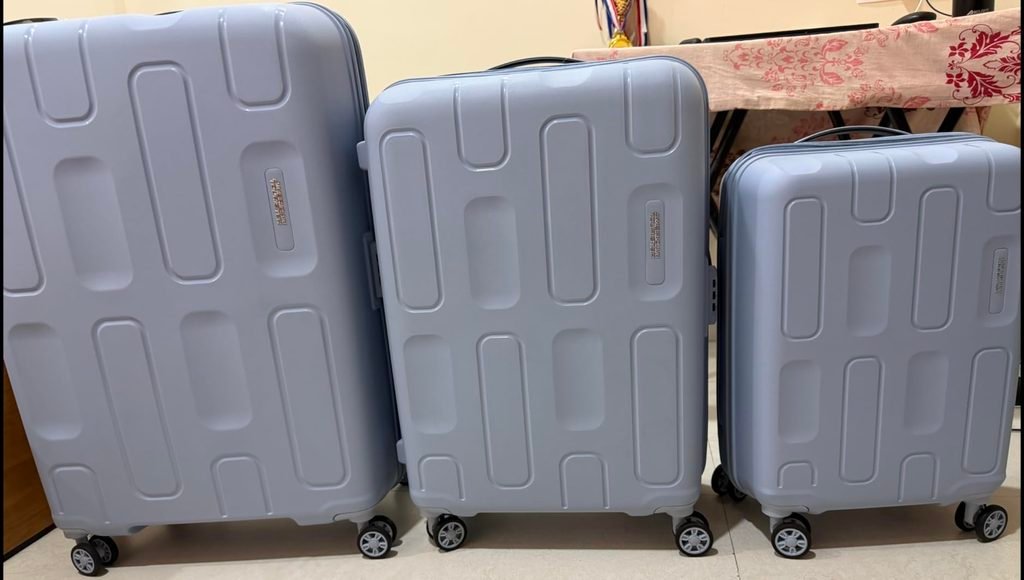
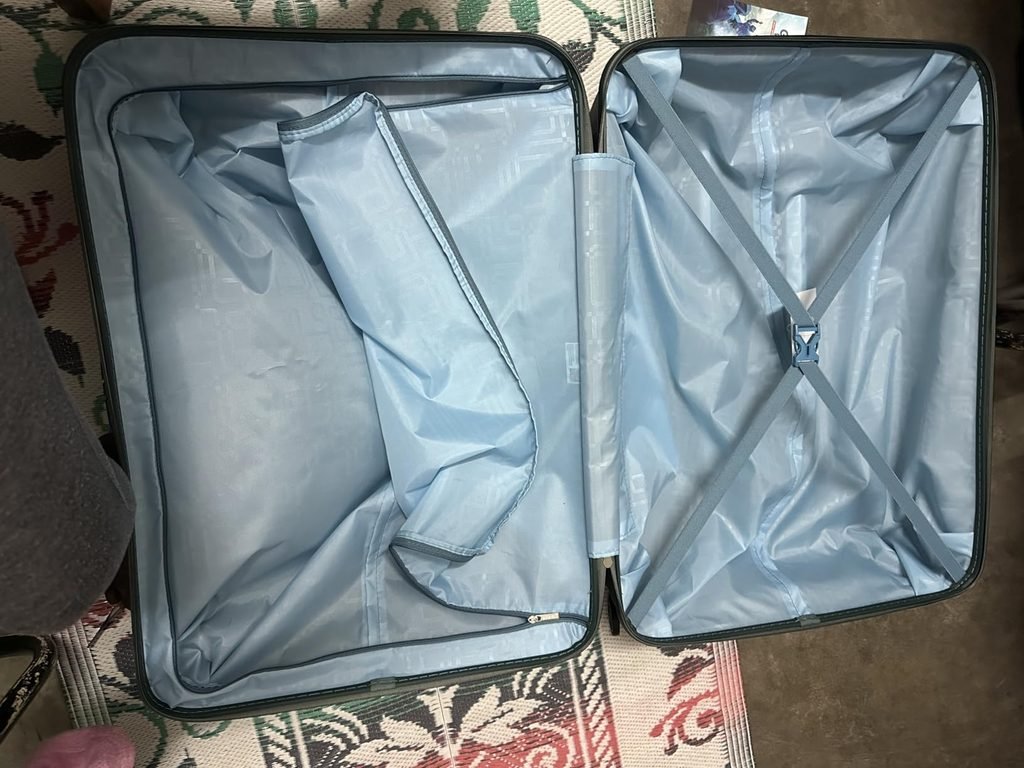
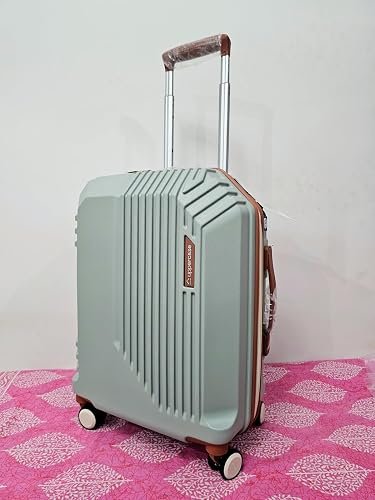
A trolley works fine for Japan with one caveat: stations. Big transfer stations can involve a lot of walking and the occasional flight of stairs where an elevator isn’t obvious, so keep the bag as manageable as you can. If you’re moving between cities and don’t want to haul it, Japan’s luggage forwarding services (often called takkyubin) let you send your suitcase ahead to your next hotel for a modest fee, which is a genuinely underrated trick.
I loved this one from American Tourister. The quality of trolley suitcase from Safari brand are also generally good but designs seem outdated.
Although, if you want something that stands out, check this one. The design is really unique.
Noise-cancelling earbuds
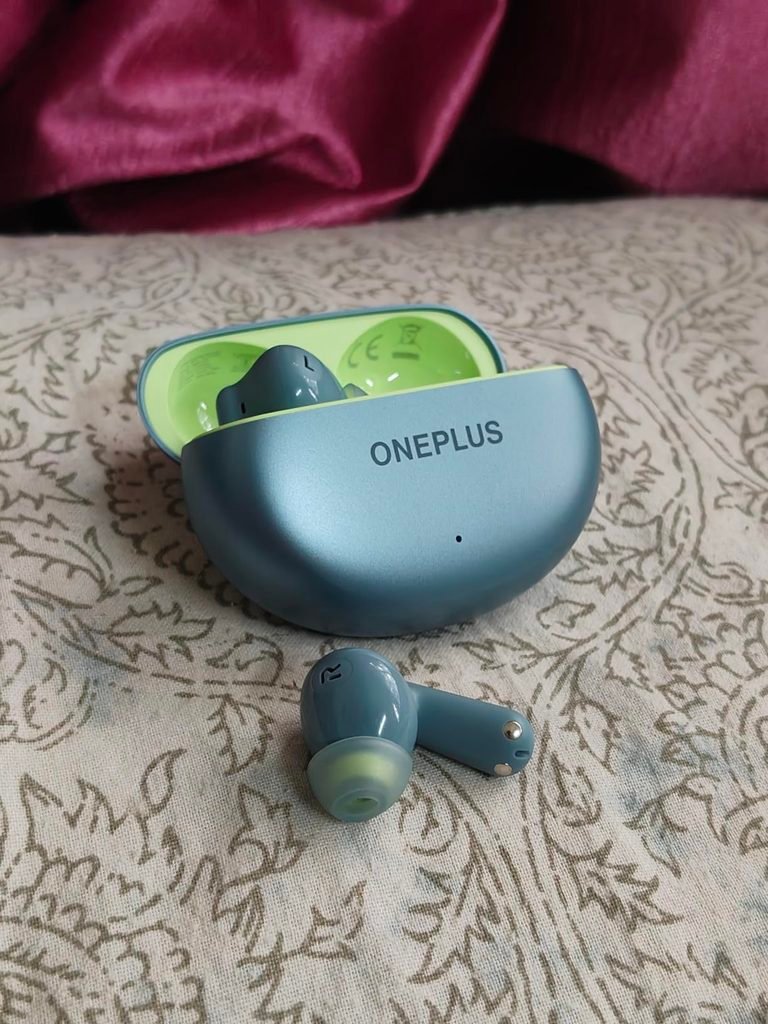

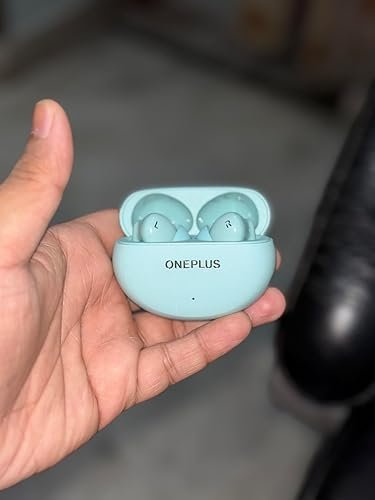
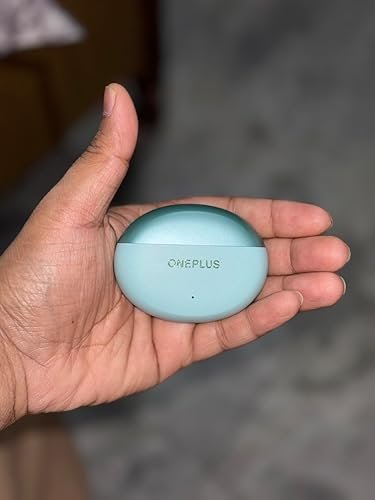
Long flight, long train rides, and the occasional very crowded commute. These made all of that noticeably calmer. They’re also just useful for the flash cards on trains, as it turns out.
I’ve used a few brands and honestly this one has the perfectly tuned sound. I absolutely love it & use it everyday. It has that perfect bass and treble without being harsh on the ears.
What I didn’t need: a power bank

This is the one that goes against almost every packing list you’ll read, so let me explain, because the reason is very specific to 2026.
Japan tightened its rules on power banks on flights significantly. Since April 24, 2026, using a power bank during a flight is banned on all flights arriving in, departing from, or within Japan, regardless of the airline. That means no charging your phone from it once you’re on board, and no charging the power bank itself from the seat outlet. You’re also limited to two units of 160 watt-hours or less each, they must be in your carry-on, not checked luggage, and since mid-2025 you’re not supposed to stow them in the overhead bin at all, they need to stay within reach. Break the rules and the penalties can be serious, up to a substantial fine or even prison time in the worst case, though for most travelers the realistic risk is confiscation or a delayed flight.
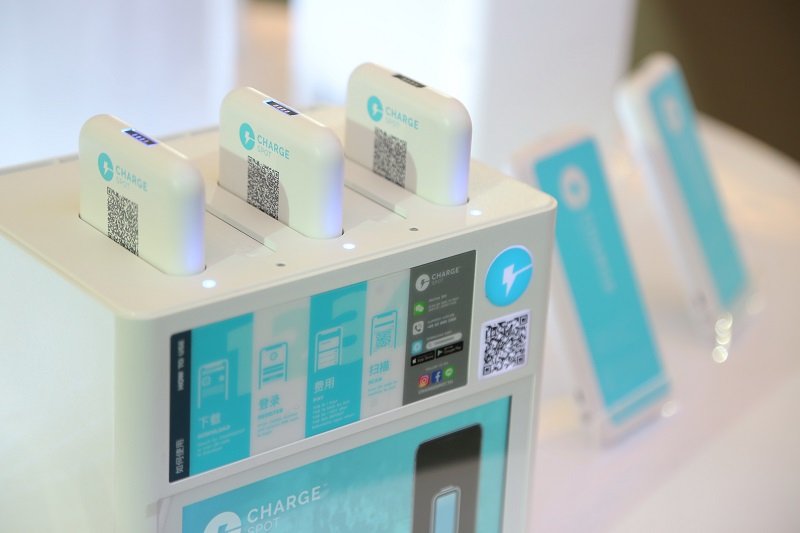
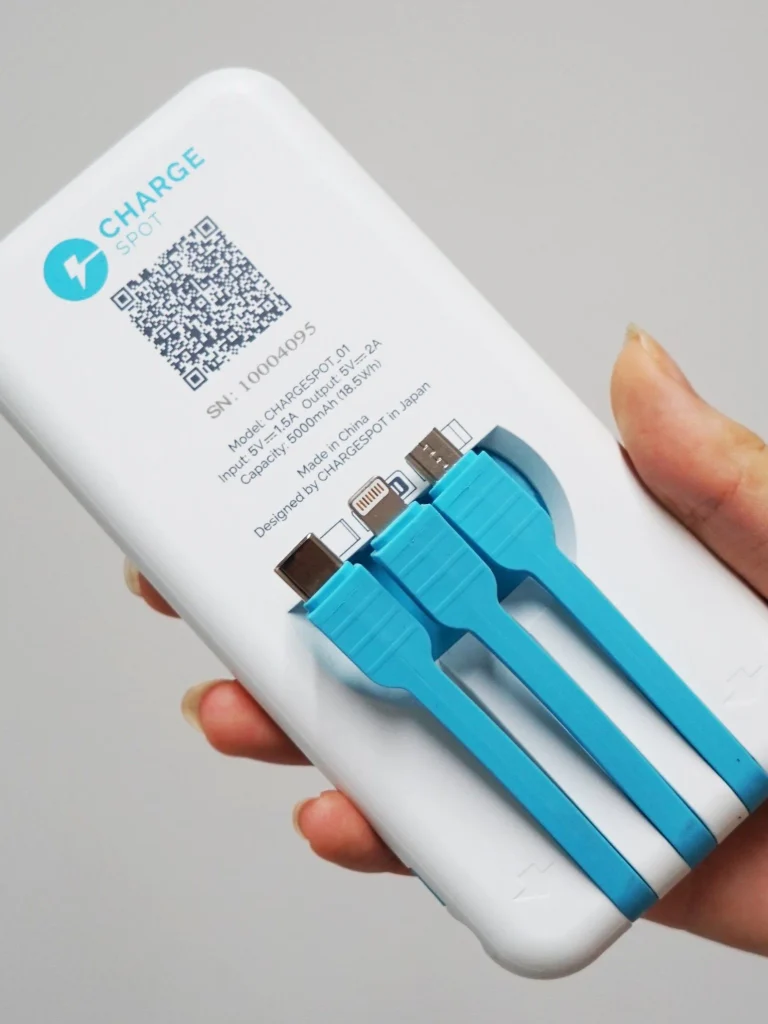
Between all of that, carrying one felt like more hassle and risk than it was worth. And here’s the thing: I never actually needed it. Airports have charging points everywhere. Most seats on international flights have a USB port or outlet, and charging directly from those is still perfectly allowed. Newer Shinkansen trains even have Type A outlets at the seats. And if you do run low while out exploring, you can rent a power bank from ChargeSPOT kiosks that are all over convenience stores and train stations. One small note there: those kiosks need a real credit card, not a prepaid or debit one, which I covered in my cash and cards guide.
So I skipped it. My phone was fine the entire trip.
The honest takeaway
Pack light, keep the things you reach for constantly in a small front bag, and don’t carry a device just because a packing list told you to. The best gear for Japan isn’t the most gear. It’s the stuff that quietly does its job so you can stop thinking about it and actually be there.