Quick answer
Yes, you can eat vegetarian all over Japan. Watch out for dashi (fish stock), read labels with a translate app, keep convenience stores as your backup, and shortlist restaurants before you get hungry.
I’m vegetarian, and before this trip I read everything from “it’s impossible” to “it’s totally fine”. Neither was true. Finding vegetarian food in Japan is definitely possible, but compared with India it takes a lot more effort and planning.
This is the routine that fed us every day, from Tokyo to small villages like Shirakawa-go.
The real problem is dashi, not meat
Meat is easy to spot. Dashi is not. It’s a stock usually made from fish or bonito flakes, and it’s used in a lot of dishes that look completely vegetarian.
Places it can hide:
- Miso soup
- Udon and soba broth, even in a “vegetable udon”
- Simmered vegetables and many sauces
So when you ask, ask about dashi and katsuobushi (bonito flakes) by name, not just “no meat”. Also, a dish being vegetarian doesn’t always mean everything on the plate is. The soup or sauce that comes with it can still have fish stock.
Packaged food has no green dot
This one surprised us the most.
- In India → the green or brown dot tells you in one second.
- In Japan → there’s no such symbol, and the ingredient list is usually in Japanese only.
- What we did → checked the ingredients before buying anything, with a translate app.
The labels are actually very detailed, with ingredients, allergens and nutrition. You just can’t read them without help.
How we found restaurants, step by step
We almost never just walked into a place and hoped. Every meal went roughly like this:
- Search for restaurants nearby.
- Shortlist the ones that look suitable.
- Check the menu and reviews.
- Confirm the food is actually vegetarian.
- Then decide where to go.
My tip: do this before you’re hungry. It takes time, and it’s much less stressful when you’re not starving.
Indian and Nepali restaurants were our safe bet
There are a lot of Indian and Nepali restaurants all over Japan, and many of them serve really good food that works for vegetarians. On most days this was our easiest dinner.
The only downside is price. Expect to pay more than you would for a normal meal back home in India.
Where we actually ate:
- Mother India, Omotesando Hills (Tokyo) → good food, good ambience.
- New Delhi (Kanazawa) → good food, good ambience.
- Soniya Indian Nepali Restaurant (Kyoto) → good food, okayish ambience, not a big place.
- Arabian Kebab & Biryani House (Asakusa, Tokyo) → decent taste, okayish ambience, small place.
Convenience stores became part of our routine
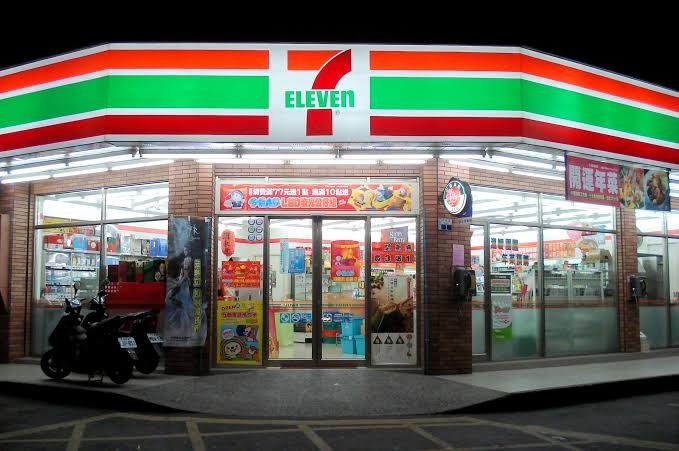
7-Eleven, FamilyMart and Lawson are everywhere, and we used them almost every day. You can grab food and drinks quickly without planning every meal around a restaurant.
- At 7-Eleven we mostly bought smoothies and bread.
- Everything is packed and labelled really carefully, so checking is easy once you have a translate app ready.
- Rice balls and sandwiches often have fish or meat, so read before you buy.
Two snacks worth trying
- 10-yen coin bread (Kanazawa) → coin-shaped, warm, lightly sweet, with cheese inside. Vegetarian and really tasty.
- Rikuro’s jiggly cheesecake (Osaka) → light, soft and actually jiggly. It contains eggs, in case that matters to you.
Popular options we didn’t get to try
We didn’t use these ourselves, but they come up a lot and are worth knowing about:
- Shojin ryori → Buddhist temple food, plant-based by design. Kyoto is the best place for it. Usually needs booking and isn’t cheap.
- Depachika → the food halls in department store basements. Big variety and clearly labelled, good for quick meals.
- HappyCow → an app that lists vegetarian and vegan restaurants near you.
- A phrase card on your phone → one translated line saying you don’t eat meat, fish or dashi. Easier than explaining.
- Searching in Japanese → ベジタリアン レストラン means “vegetarian restaurant”. It can show places that don’t come up in English searches.
If you’re vegetarian and planning Japan
Japan won’t make it as easy as India does. But with a bit of planning we never went hungry. Plan ahead for small towns, keep convenience stores as your backup, and save a couple of Indian or Nepali places in every city before you arrive.